5 min read
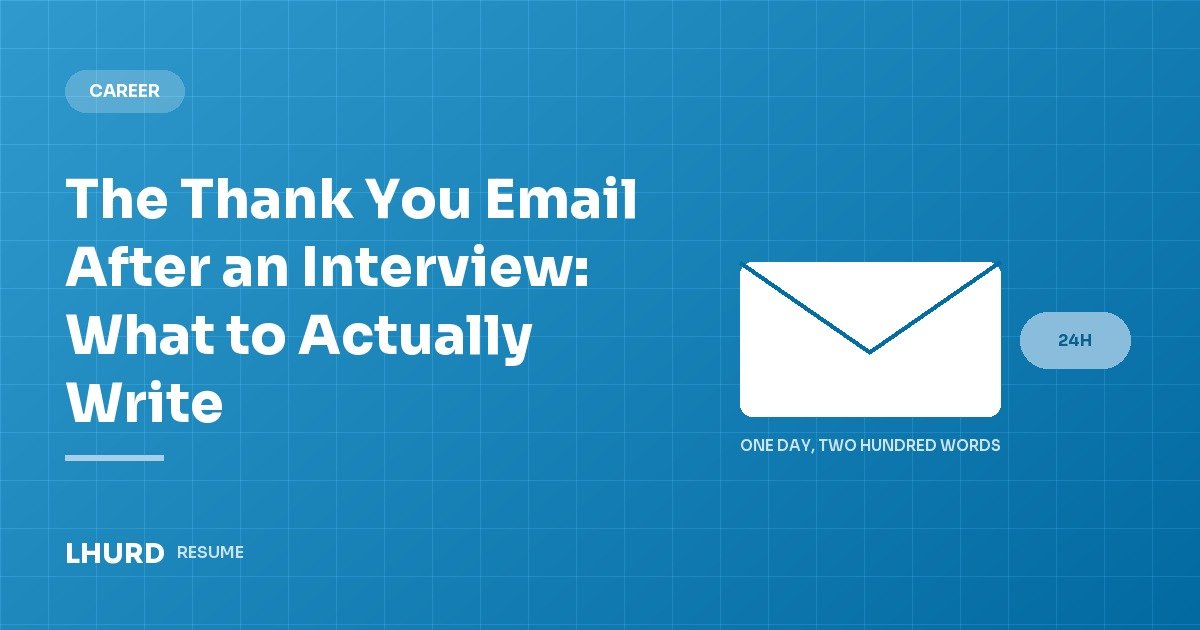
The Thank You Email After an Interview: What to Actually Write
Most post interview emails thank the interviewer for their time and add nothing. The ones that change outcomes fix the answer the candidate fumbled an hour earlier.
Why the Generic Version Is Wasted
Thank you for your time today, I enjoyed learning about the role and look forward to hearing from you. It is polite, it is instantly forgettable, and it is indistinguishable from the one every other candidate sent.
It also wastes the one thing the email is good for. You have just spent an hour discovering what the hiring manager is worried about, and this is your only chance to respond to it in writing before they decide.
Send It Within Twenty Four Hours
Same day is best, next morning is fine. After about two days it arrives as an afterthought, and in fast processes the decision may already be made.
Send a separate note to each person who interviewed you rather than one group email, and make them genuinely different. Panels compare notes, and three identical paragraphs with the names swapped is worse than sending nothing.
- Within 24 hours, same day if you can
- One email per interviewer, not a group send
- Different content in each, referencing what they asked
- Plain text, no attachments unless they requested something
Reference Something Only You Could Reference
One specific detail from the conversation proves you were present and thinking, and it anchors you in their memory. The reorganisation they mentioned, the tooling problem, the hire they are trying to replace.
Your point about the reporting backlog stuck with me is worth more than any amount of enthusiasm, because it could not have been written before the interview and could not be sent to anybody else.
Twenty Four Hours
Same day is best. After two days it reads as an afterthought and the decision may be made.
One Detail Only You Have
A specific reference from the conversation proves presence and cannot be sent to anyone else.
Revise the Weak Answer
The single most useful thing the email can do, and almost nobody does it.
Under Two Hundred Words
Four short paragraphs. A close that is easy to ignore or easy to answer, never an obligation.
Fix the Answer You Fumbled
This is the part almost nobody uses. If a question caught you short, two or three sentences of a better answer is legitimate and interviewers respect it. They are assessing how you think, and a considered follow up is evidence.
You asked how I would handle the migration with the current team size and I gave you a thin answer. Having thought about it, here is how I would sequence it. That reads as someone who keeps working on a problem after leaving the room.
Keep It Short and Make It Easy to Reply To
Four short paragraphs at most, under two hundred words. Thank them, reference the specific thing, add the substance, close with one clear line.
Do not ask about timeline if they already gave one, and do not add new questions that create work. The close should be easy to ignore or easy to answer, never an obligation.
What to Avoid
Over familiarity, flattery, restating your whole resume, apologising for nerves, or anything that reads as pressure. A candidate who seems anxious in writing is a candidate a manager worries about.
Also avoid attaching a revised portfolio or extra documents unless asked. Unsolicited attachments after an interview read as not trusting the conversation to have done its job.
- Flattery, or calling it an amazing opportunity
- Restating your resume, which they already have
- Apologising for nerves, which draws attention to them
- Unrequested attachments or links
- Asking for a timeline they already gave you
Getting Interviews but Not Offers?
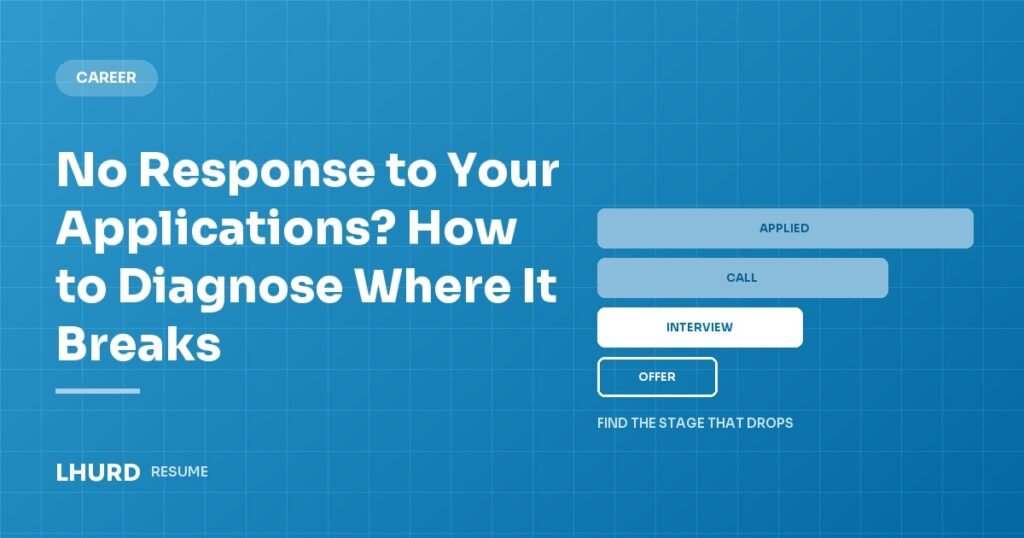
If you are reaching interviews consistently, your resume is working and the gap is elsewhere. If you are not, the document is where to start.
Lhurd Resume writes for professionals across the United States and Canada, from first promotion through executive search.
The Takeaway
Send within a day, write separately to each interviewer, reference something only you could reference, use the space to fix a weak answer, and keep it under two hundred words.
Follow up before an interview works differently and on a much longer clock. Following up after applying covers that side, and Lhurd Resume handles the document underneath both.
Join the conversation